One reason buyers choose Yiwu is the ability to source many product categories in one place. A small importer may want toys, home goods, accessories, gifts, packaging items or apparel-related products from different suppliers, then combine them into one shipment.
This can be practical, but it is not automatic. Combining products requires coordination: supplier delivery timing, warehouse receiving, carton labels, product checks, packing list, shipping restrictions and final loading.
Why combine products from multiple suppliers?
Combining products can help when:
- each supplier has a small order;
- the buyer wants to test several product categories;
- separate shipments would cost too much;
- goods need to be checked before export;
- the buyer wants one packing list and one shipment plan.
For small businesses, consolidation can make a trial order more practical. Instead of shipping many small parcels separately, products can be collected and prepared together when the cargo type allows it.
The first challenge is delivery timing
Different suppliers rarely finish at the same time. One supplier may have stock ready, another needs several days, and a third may delay because of packaging or labeling.
Before confirming a combined shipment, list:
- supplier name;
- product name;
- quantity;
- carton quantity;
- expected ready date;
- delivery address;
- contact person;
- required label or mark.
If one supplier is late, the buyer must decide whether to wait, split the shipment or cancel that item.
Warehouse receiving must be organized
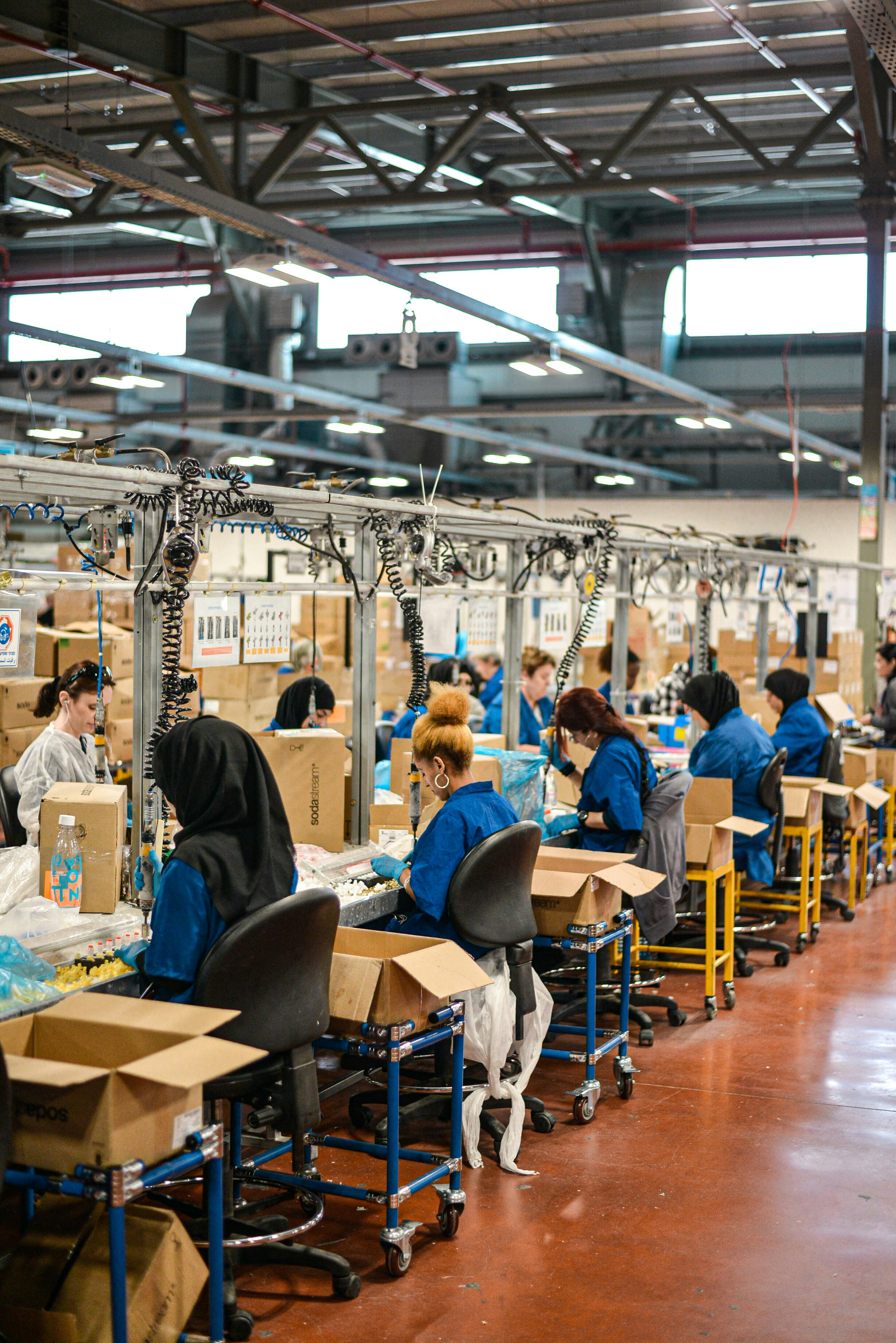
When goods arrive from multiple suppliers, the warehouse needs to know what each carton belongs to. Without clear labels, products can be mixed, counted incorrectly or packed into the wrong shipment.
A simple receiving checklist includes:
- supplier name on the outside carton;
- buyer order number if available;
- product name or SKU;
- carton count;
- photos when goods arrive;
- visible damage check;
- storage location.
This is especially important when the buyer has many small items.
Inspection should be practical, not random
For a combined shipment, inspection may include simple checks for each supplier鈥檚 goods:
- quantity count;
- model and color;
- visible workmanship;
- packaging;
- carton damage;
- labels and barcodes;
- photos for buyer confirmation.
If one product has a higher risk, such as electronics, children鈥檚 products, cosmetics, food-contact items or branded goods, it may need a more specific inspection or compliance review.
Not every product can ship together
Some products may have restrictions or require different shipping arrangements. Batteries, liquids, powders, magnets, fragile items, oversized goods, branded goods and regulated products should be checked before consolidation.
Combining restricted and non-restricted products without planning can delay the shipment or change the shipping method.
Ask before final packing:
- Can all products ship by the same method?
- Does any product need special documentation?
- Are there fragile items that need extra packaging?
- Are any items branded or sensitive?
- Will carton size create high volumetric weight?
Your forwarder or customs broker should confirm destination requirements.
Packing list accuracy matters
A combined shipment needs a clear packing list. The buyer, warehouse, forwarder and customs broker may all depend on this information.
A useful packing list includes:
- product description;
- quantity;
- carton count;
- net and gross weight;
- carton dimensions;
- supplier or SKU reference;
- declared value information as required.
Wrong product descriptions, missing quantities or inaccurate carton information can create delays.
How Jintu Sourcing can coordinate consolidation
Jintu Sourcing can help small importers collect goods from multiple Yiwu or China suppliers, check incoming cartons, organize warehouse packing, prepare carton information and coordinate shipment with the buyer鈥檚 forwarder or shipping plan.
To start, send:
- supplier list;
- product photos or links;
- quantity for each item;
- expected ready dates;
- destination country;
- any special packaging or label requirements.
FAQ
Can I combine products from different Yiwu suppliers?
Often yes, if the goods can ship together and the suppliers deliver to the same warehouse or collection point.
Does consolidation always save money?
Not always. It depends on carton size, weight, product restrictions, handling cost and destination. It should be checked against separate shipping options.
What information should I send first?
Send a supplier list, product links, quantities, carton information if available and destination country.
Ask about Yiwu order consolidation
If you plan to buy from several suppliers, send Jintu Sourcing the product list and destination country. We can help check whether one combined shipment is practical.